- Home
- Discover-sweet
- How to Choose the Right Goggle Lens
How to Choose the Right Goggle Lens
Choose your goggle lens by light, not by color
The key factor in achieving optimal vision on the mountain is selecting the right lens and its lens technology. At Sweet Protection, we have created our own proprietary lens technology, known as RIG® Lens Technology, developed in Norway to deal with the most difficult light conditions. The technology focuses on providing superior contrast enhancing vision, minimum color distortion and reduced eye fatigue.
The significance of choosing the correct lens for the weather cannot be overstated. RIG® Lens Technology is available in all our sunglasses and goggle models, so you can enjoy Class 1 optics through whichever eyewear best suits your needs.
This guide will help you choose the right lens for you.
VLT and lens categories
VLT stands for Visible Light Transmission and tells you how much light the lens lets through. A high VLT suits overcast days and flat light. A low VLT suits sun.
The lens category, S1 to S4, is directly linked to the VLT percentage, so a higher number means a darker lens. Here is what each category is for. You will find every RIG® lens on the chart further down.
VLT S1 to S4
S1: 43–80% VLT
Low light and snowfall. The lightest lenses, for when visibility is poor.
S2: 18–43% VLT
Overcast and mixed light. The all-round category, for days when the weather keeps changing.
S3: 8–18% VLT
Sunny days. Darker lenses for clear skies and bright snow.
S4: 3–8% VLT
Very bright sun and glaciers. The darkest lenses, for glaring sun and thin air.
Find your lens on the RIG® chart
Every RIG® lens is tuned for a range of light. Find the conditions you ride in most, then pick a lens whose bar covers them. The lower the VLT, the darker the lens and the more sun it can handle.
Read the chart from left to right: low light on the left, bright sun on the right.
Which lens for which weather?
All our goggles work with lenses from the RIG® range, so you can choose the frame you like and match the lens to the conditions. Here are our picks for each kind of light.
Weather changing fast? Bring a second lens for low light.
Flat light, overcast and snow
RIG® Quartz or RIG® Light Amethyst. Higher VLT brings out the terrain when the light goes flat.
Sunny days
RIG® Emerald, RIG® Topaz or RIG® Sapphire. Lower VLT for clear skies and bright snow.
Bright sun and high altitude
RIG® Aquamarine or RIG® Obsidian. The darkest lenses, for glaring sun and thin air.
Who are you on the Slopes?
Depending on how frequent you ski or snowboard, your lens kit should resemble you. Great vision enhances the thrill of being in the mountains. It not only prevents eye fatigue but also makes it more enjoyable and easier to push your limits when you can see clearly.
As we say in Norway, “There is no such thing as bad weather, only bad clothing”, the same applies to lenses. Here are our suggestions:
The Weekend Warrior
You want just one lens. Go for RIG® Bixbite or RIG® Malaia, our all-rounders.
Blue Bird Only
You skip the storms and chase the sunny dream days. RIG® Aquamarine or RIG® Obsidian.
The Pro
You chase the dream lines, regardless of the weather, so bring at least two lenses: RIG® Quartz, Bixbite, Emerald, Topaz or Aquamarine.
Which lens should I have for night skiing?
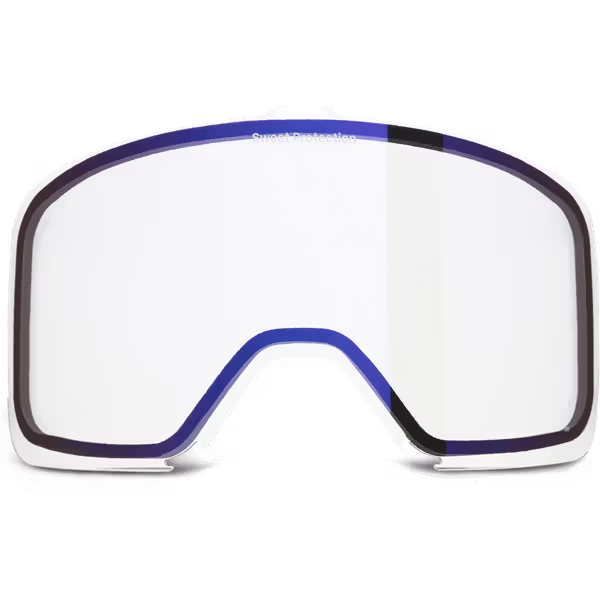
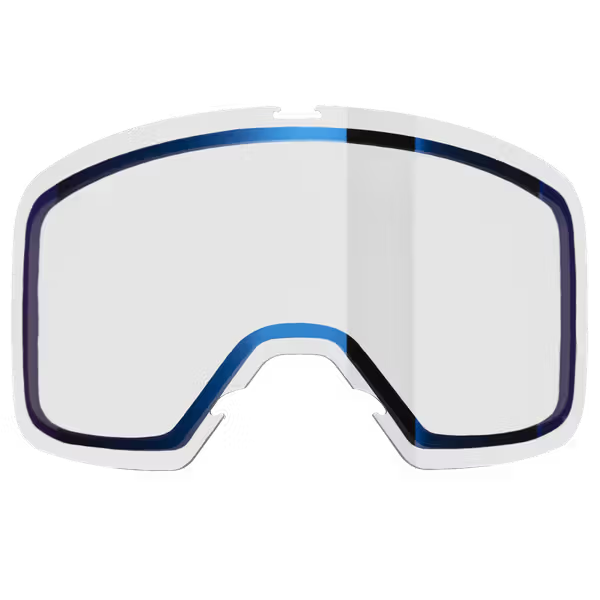
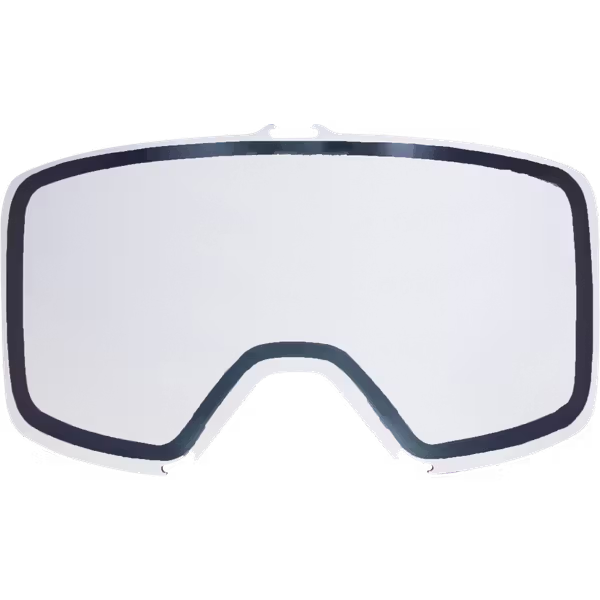
A clear spare lens with a high VLT (75%) is the perfect choice for skiing under artificial lights. Hitting the slopes after the sun goes down offers a totally different riding experience.
A challenge that often appears is maintaining visibility once the sun sets. Investing in a clear lens with a high VLT can significantly enhance the enjoyment and safety of your night skiing adventures.
Goggle Lenses for night skiing



Lens Technology
What really is RIG®?
RIG® ( Retina Illumination Grading) is our own proprietary lens technology that we at Sweet Protection developed ourselves here in Norway. The technology focuses on providing superior contrast enhancing vision, minimum color distortion and reduced eye fatigue.
The construction of a lens is complex. The image below illustrates the numerous layers and features found in a Sweet Protection lens*. Some of our goggles and lenses offers additional features to further enhance your experience. These features are included in our models with a thicker toric lens. If you'd like to learn more about the technology and features, we recommend clicking on the specific goggle model to read about its unique technology.
*The image applies to our Clockwork, Interstellar and Connor lenses. The rest of our goggles have a slightly different construction.
“The first time I used a RIG® lens I couldn’t believe what I was actually seeing, or maybe what I had been missing before using RIG®. I never realized how hard I had to focus on simply seeing what was in front of me.”
— Marcus Caston, big mountain freeskier
Frequently asked questions
Two or three lenses cover almost every day on the mountain: one for flat light and snowfall, one for sunny days and one all-round lens for changing conditions.
If you only ski in bright sun, or only in poor light, one well-chosen lens is enough.
Pick RIG® Bixbite or RIG® Malaia. Both are S2 lenses (25% and 20% VLT) that work from overcast skies to sunshine, which makes them true all-rounders.
Choose a lens with a higher VLT, in category S1 or S2: RIG® Quartz (45% VLT, S1) or RIG® Light Amethyst (35% VLT, S2). More light reaches your eyes, so contours and bumps stay visible when the light goes flat.
VLT stands for Visible Light Transmission: the percentage of visible light that passes through the lens to your eyes. A low VLT means a darker lens for bright sun, and a high VLT means a lighter lens for low light.
The same RIG® lenses are available for sunglasses, but the VLT differs from the goggle version. RIG® Malaia, for example, has 20% VLT in goggles and 13% in sunglasses. Sunglasses use lens categories 1 to 3 instead of S1 to S4, and RIG® Photochromatic goes from 45% down to 8% VLT as the light gets brighter.
See the sunglasses chart above, and always check the VLT on the product page.
Stronger. Lighter. Better.
Explore the Sweet-universe.
25.02.05
Lens change guide
Make sure you take care of your eyewear properly to ensure a long product lifetime. In this guide we have gathered our best tips for lens care, storage, use and lens change.
Read more
26.01.30
Helmet Size and Fit Guide
All Sweet Protection helmets are made to ensure your safety and comfort whether you are riding your bike, paddling down the river or snowboarding in the backcountry.
Read more
24.05.28
Helmet Technology
Fundamental to our helmet philosophy is the fact that the ultimate helmet exists in the combination of world class impact protection, low volume and low weight.
Read more
26.09.29
RIG Technology
RIG® is a revolutionary lens technology developed by Sweet Protection to provide superior contrast enhancing vision, minimum color distortion and reduced eye fatigue.
Read more